Here is a draft for your blog post. It is structured to be highly readable, visually airy, and aligned with the ‘My Core Pick’ brand voice.
From Cold to Cozy: How to Master the Warm Minimalist Aesthetic
We’ve all seen those photos on Instagram. You know the ones I’m talking about.
The room is pristine. The walls are a blinding shade of white. There is exactly one chair, and it looks like a sculpture that would hurt your back if you sat in it for more than five minutes.
For a long time, that was the face of minimalism. It was sleek, yes. But it was also cold. It felt sterile.
It felt a little bit like living in an art gallery where you weren’t allowed to touch anything.
At My Core Pick, we believe your home should be your sanctuary, not a showroom. We love the clutter-free lifestyle, but we don’t want to sacrifice comfort.
Enter: Warm Minimalism.
This is the design evolution we’ve been waiting for. It takes the best parts of minimalism—the clean lines and the lack of clutter—and infuses them with soul, texture, and warmth.
If you are looking to declutter your space without making it feel empty, you are in the right place.
Here is how we turn a cold room into a cozy haven.
1. The Foundation: Rethinking the "White Box"
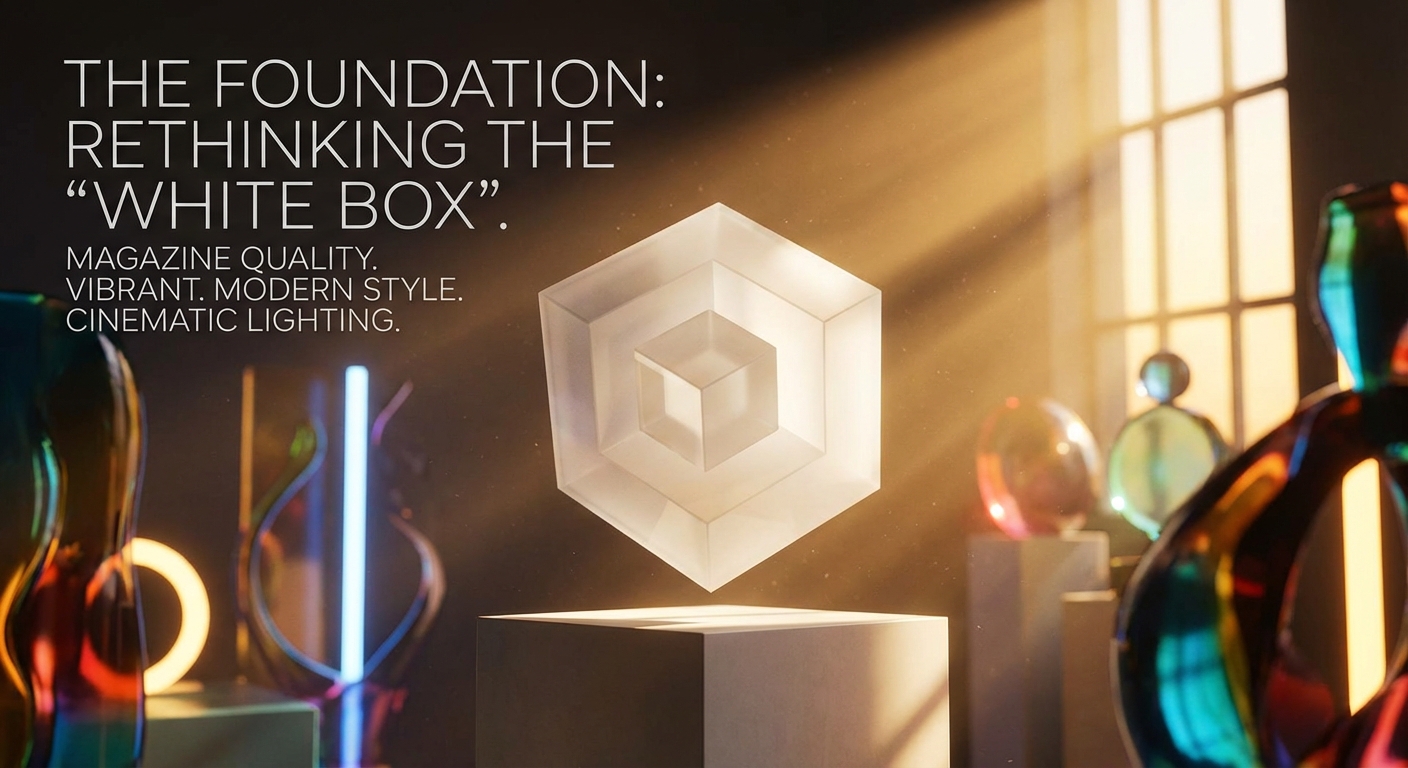
The biggest misconception about minimalism is that everything must be stark white.
While white reflects light beautifully, a "pure white" paint can often read as blue or gray in certain lighting. This creates that hospital-like atmosphere we are trying to avoid.
To master warm minimalism, we have to change our foundation.
Step Away from the Cool Tones
Instead of stark white, I always recommend shifting toward creamy off-whites, soft beiges, or greiges (that perfect mix of gray and beige).
These colors still reflect light and make a room feel expansive. However, they have yellow or red undertones that subconsciously make us feel warmer.
Think of colors like alabaster, oatmeal, or even a very pale mushroom.
The Power of "Tone on Tone"
One of my favorite tricks for this aesthetic is the monochromatic palette.
But wait—monochromatic doesn't mean just one flat color everywhere.
It means layering different shades of the same color family.
Imagine walls painted a soft cream. Then, add a sofa in a slightly darker oatmeal linen. Finish it off with a rug in a rich, warm beige.
This creates visual depth. It gives the eye something to explore without overwhelming it with contrasting colors. It feels cohesive, calm, and incredibly expensive.
2. Texture is the Secret Sauce

If you take away all the clutter, what do you have left?
In traditional minimalism, you have smooth, hard surfaces. Glass, steel, polished concrete.
In Warm Minimalism, we replace the "stuff" with texture.
Since we aren’t relying on bright colors or knick-knacks to add interest, texture becomes the most critical element of the design. It is how we add character.
Embrace Natural Imperfections
We want materials that feel good to the touch. We want surfaces that have a history or a natural grain.
I love using raw woods. A coffee table with a visible grain or a live edge brings nature indoors.
Stone is another major player here. But instead of polished black marble, look for travertine or limestone. These stones have pores and natural divots. They feel earthy and grounded.
The Soft Layering Technique
This is where the "cozy" factor really kicks in.
You need to soften the architectural lines of your room with textiles.
At My Core Pick, we are huge fans of Bouclé fabric. That knobby, looped yarn texture captures light and shadow beautifully.
Throw in some washed linen curtains that pool slightly on the floor. Add a chunky knit wool throw blanket.
When you mix a nubby rug with a smooth velvet pillow and a rough wooden side table, you create a sensory experience.
The room might be visually quiet, but it speaks volumes through touch.
3. Organic Shapes Over Sharp Angles
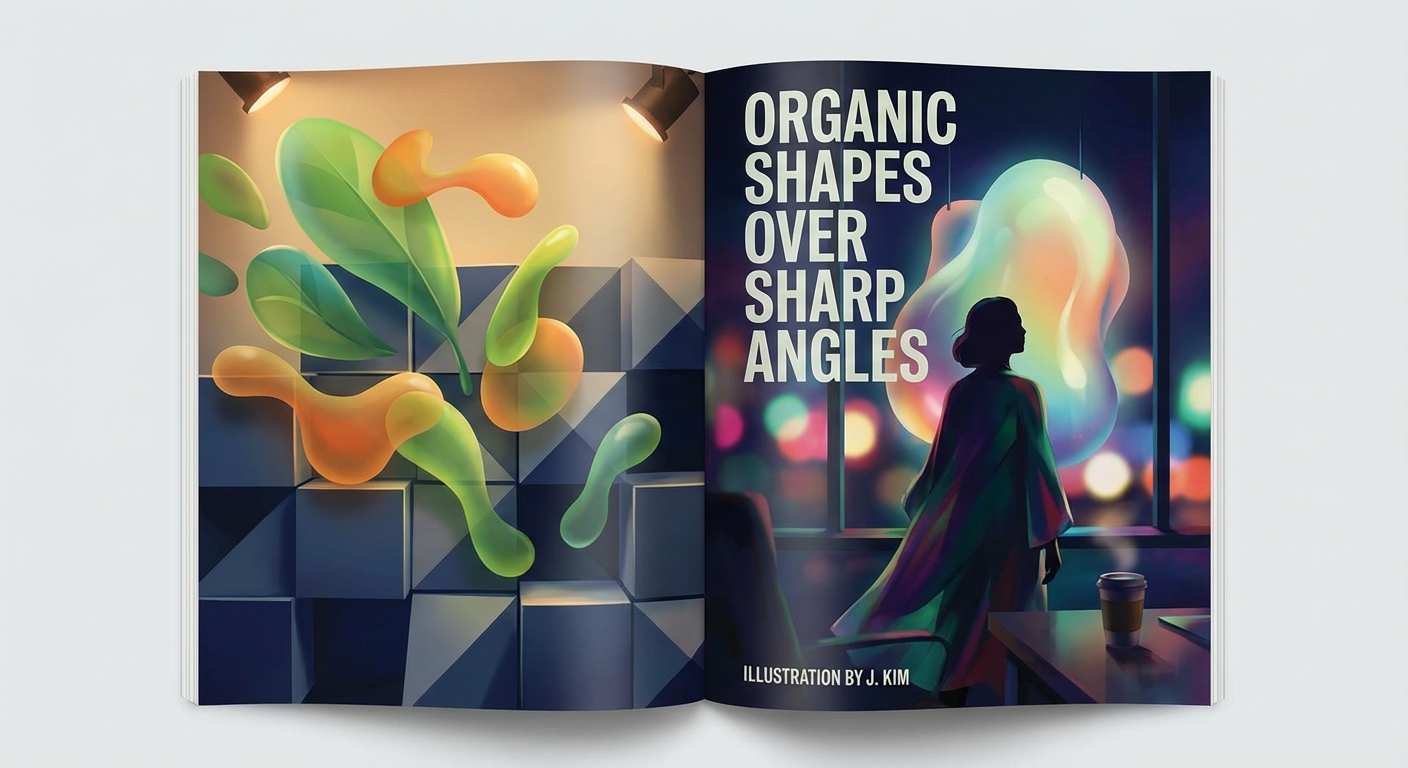
Let’s think about the silhouette of your furniture.
Mid-century modern and industrial styles rely heavily on sharp corners, straight legs, and boxy shapes. While cool, these shapes can feel rigid.
Warm minimalism borrows a page from the 1970s and contemporary European design. It embraces the curve.
Soften the Edges
To make a room feel inviting, you need to break up the straight lines.
If you have a rectangular room (which most of us do) and a rectangular rug, try a round coffee table.
Look for sofas with rounded arms or a curved back.
Even your decor can follow this rule. I love circular mirrors or ceramic vases with bulbous, organic shapes.
The Flow of the Room
Curved furniture does something magical to the flow of a room. It allows the eye to glide through the space rather than stopping abruptly at every corner.
It mimics the shapes found in nature.
There are no straight lines in a forest or a river. By bringing curves inside, we tap into a primal sense of calm.
It tells our brain: "Relax. There are no sharp edges here."
4. Curating with Intention (The "Core Pick" Philosophy)
This is the hardest part for most people.
Warm minimalism is still minimalism. That means we have to address the "stuff."
However, unlike strict minimalism where you might aim to own under 100 items, warm minimalism is about curation, not just elimination.
Emotional Utility
I used to think everything in my house had to have a functional use. If it didn't cut vegetables or hold a coat, it had to go.
But in warm minimalism, "making me happy" is a valid function.
We keep items that tell a story. Maybe it’s a ceramic bowl you bought on a trip to Portugal. Maybe it’s a stack of vintage books.
The key is that these items are given room to breathe.
The Rule of Three
When styling your surfaces—like a console table or a bookshelf—don't crowd them.
I like to use the Rule of Three. Group three items of varying heights and textures together.
For example:
1. A tall, matte ceramic vase (Height).
2. A horizontal stack of two art books (Width).
3. A small brass bowl placed on top of the books (Texture/Shine).
Then, leave negative space around that grouping.
The empty space is just as important as the objects. It frames them. It turns your belongings into highlighted features rather than just "clutter."
5. Lighting: The Mood Maker
You can have the most beautiful furniture and the perfect paint color, but if you light it with cool, blue LEDs, the vibe is ruined.
Lighting is the heartbeat of the warm minimalist home.
It is the final layer that wraps everything together.
The 2700K Rule
This is a technical tip, but it changes everything.
Check your lightbulbs. You want bulbs that are 2700K (Kelvin) or 3000K at the absolute maximum.
2700K produces a warm, soft white glow that mimics the golden hour of the sun. Anything higher (4000K-5000K) is great for a garage or an operating room, but terrible for a living room.
Low and Layered
Never rely solely on your big overhead light (the "big light"). It flattens the room and washes out the texture we worked so hard to add.
Instead, create pockets of light.
Use floor lamps to illuminate dark corners. Use table lamps to create a reading nook.
I also love using sconces or picture lights to highlight a specific wall texture or piece of art.
By keeping the light source lower to the ground, you create intimacy. You create a space that feels like a warm hug.
Final Thoughts: It’s a Journey, Not a Race
Transitioning to a warm minimalist aesthetic doesn't happen overnight.
In fact, it shouldn't.
If you rush out and buy everything new to match a Pinterest board, your home will end up feeling like a catalog—flat and impersonal.
Take your time.
Start by decluttering the things that stress you out. Then, slowly replace the cold, sharp items with pieces that have warmth and character.
Swap out the pure white pillows for oatmeal linen.
Trade the glass table for solid wood.
Paint the walls a shade warmer.
At My Core Pick, we believe that a home is defined by the essentials you choose to keep. Make sure those essentials feel as good as they look.
Warm minimalism isn't just a trend. It’s a deep breath for your eyes and your mind.
Now, go find that perfect chunky knit blanket. You deserve it.